




by ELIXHER
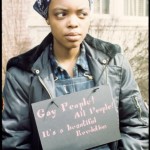
Forward: The History & Future of Marriage in Black Community
It was a victory of monumental proportions for marriage equality at the 2012 ballots. In addition to gaining the first openly gay U.S. Senator, voters took to the polls to pass legislation for marriage equality in Washington, Maine, and Maryland.
This was on the heels of a Gallup report which indicated that 3.4% of all Americans identify as either lesbian, gay, bisexual, or transgender. This report also showed that African Americans are more likely than any other racial group to identify as LGBT with 4.6% of African Americans responding as such.
These new Gallup findings make the issue of marriage equality even more complex, as marriage equality in one form or another has long been a struggle for Black people in America.
Following the historical declaration in favor of marriage equality by President Barack Obama, the board of directors of the NAACP also endorsed same-sex marriage. As a civil rights group, with over a century worth of work and commitment to Black people, it would seem as the natural progression for the organization.
During slavery, Black loving and committed couples could not legally marry. While many slaves lived as man and wife, even holding small celebrations consisting of jumping the broom, their marriages were not recognized. Thus, the rights and privileges granted under law for married couples were not given to them.
In the 60’s and 70’s Black women receiving welfare, as stipulations of their aid, were not allowed to enter into marriage, or even relationships. Given this policing of Black female sexuality, Black women were forced to remain single or keep their relationships a secret.
With Black people most likely to self-identify as LGBT, we are therefore affected in larger proportions by the lack of marriage equality in this nation.
There are over 1,000 benefits, rights, and protections granted under marriage. That’s over a thousand rights that are not provided to thousands of Americans throughout the majority of the country. As we continue the fight to see marriage equality a battle won in every state, it is important to note that for Black people, this cannot be a fight that puts orientation above race or vice versa, but rather treats both as equally important and integral parts in this battle.
- Silver Moore
Silver is a 20-year-old Detroit native and journalism student at Michigan State University. She loves listening to music and is a blog junkie.


Recent Comments